22 Jul 2026
How a Technical Design Review Helps Prevent Delays and Redesign
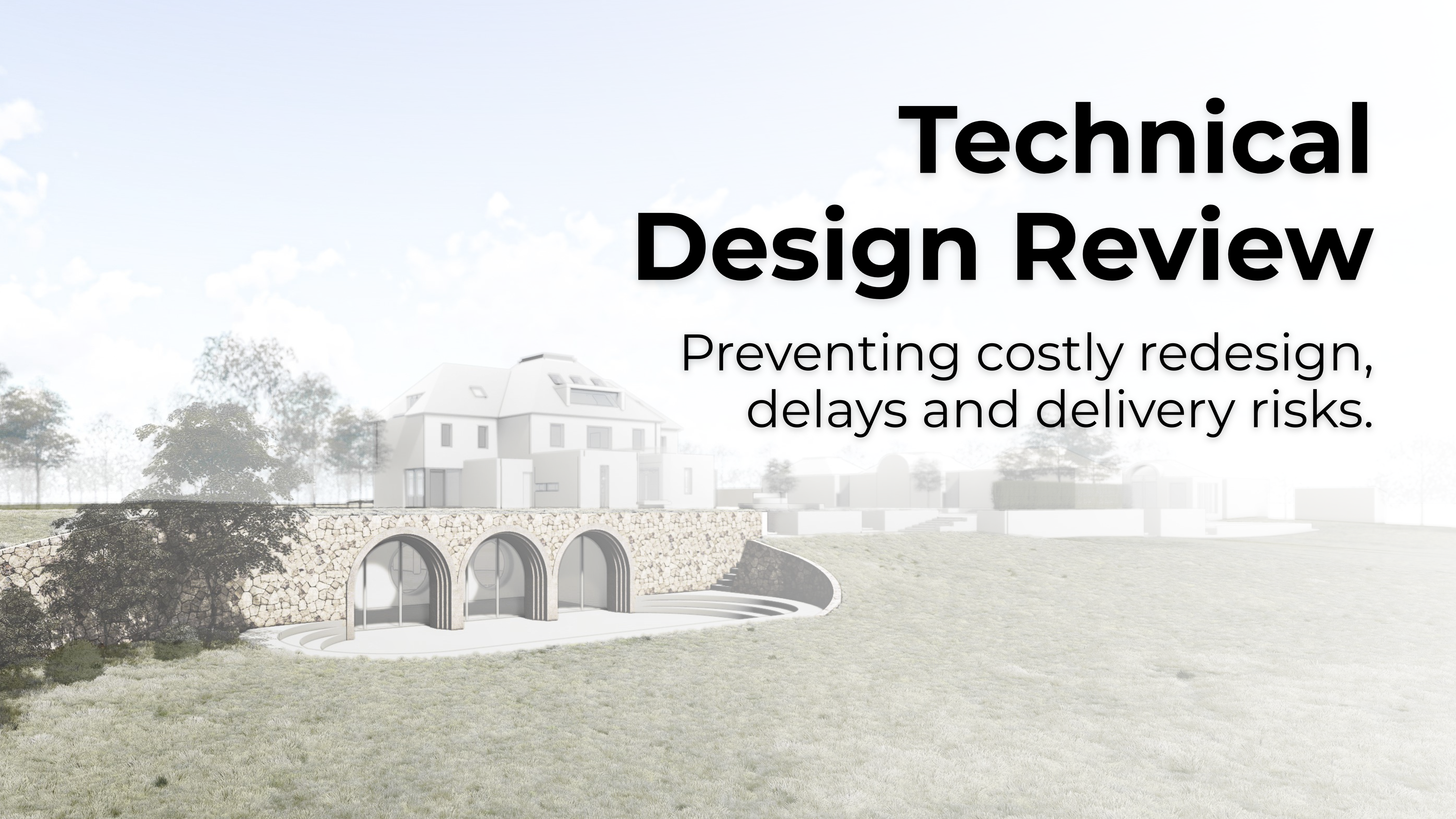
Technical design is the process of developing and reviewing a scheme to ensure it can be built safely, efficiently and in line with relevant regulations. A technical design review tests the proposal against practical, regulatory and construction requirements, helping to identify issues before they lead to redesign, delays or additional costs.
Why Planning Approval Alone Is Not Enough
One of the most common challenges we encounter at Cannon Clarke Group is being appointed to projects where planning permission has already been secured, but significant technical issues remain unresolved.
Whilst obtaining planning consent is a major milestone, it is only one stage in the development process. A scheme that satisfies planning policy does not automatically meet building regulations, fire safety requirements, operational requirements, accessibility standards, construction constraints, or long-term asset performance needs.
Unfortunately, many projects are progressed through planning without sufficient technical interrogation. This can create costly challenges later in the project lifecycle, resulting in redesign, delays, increased construction costs, planning amendments, and avoidable risk for clients and investors.
Our approach is fundamentally different.
Designing for Deliverability
At Cannon Clarke Group, we believe successful projects are created by considering technical delivery from the earliest design stages.
Before submitting a planning application, we carry out a detailed technical review of the proposed scheme. Drawing upon decades of experience delivering projects through planning, building regulations approval and construction, we assess whether the design can realistically be delivered without significant compromise or costly redesign later.
This process includes consideration of:
- Building Regulations compliance
- Fire safety strategy
- Means of escape and compartmentation
- Accessibility requirements
- Structural constraints
- Servicing and utilities coordination
- Operational functionality
- Construction methodology
- Future maintenance and management requirements
By identifying potential issues early, we can often resolve them before they become risks or additional costs. This approach helps clients avoid securing planning permission for a scheme that later requires significant amendments before construction can begin.
For example, we were recently appointed to review a commercial development that had already secured planning permission through another designer. Our technical assessment identified issues relating to fire safety, building subdivision, occupancy, means of escape and Building Regulations coordination. By working closely with the client’s consultant team and Approved Inspectors, we developed a coordinated technical package and achieved approval for the first phase of the project.
The Hidden Cost of Cheap Design
Clients often receive proposals for design services that appear cost-effective at the outset. However, low initial fees can sometimes result in insufficient technical review during the early project stages. The consequences frequently emerge later through planning amendments, consultant redesign, contractor queries, programme delays and unexpected construction costs.
Whilst Cannon Clarke Group may not always be the lowest-cost appointment, our clients consistently benefit from high-quality architecture, the value generated through robust technical design, risk reduction and informed decision-making.
Investing in technical due diligence early in the process can save significant time, cost and disruption throughout the life of a project.
Following the RIBA Plan of Work Properly
The RIBA Plan of Work exists for a reason. Each stage is intended to progressively reduce uncertainty and increase project definition before moving forward. When technical design considerations are overlooked during the planning stages, risk is simply transferred further down the line. Solutions then become more expensive and more disruptive to implement. Our approach ensures that planning proposals are developed with technical deliverability in mind, helping clients move from concept to construction with greater certainty.
See our article on the RIBA stages in detail.
Why Clients Choose Cannon Clarke Group
We combine architectural expertise with practical technical knowledge to reduce risk and help projects progress smoothly from planning to completion.