23 Jul 2026
Proposed Built Environment Professions Strategy 2027
New built environment professions strategy could reshape expectations on competence and accountability
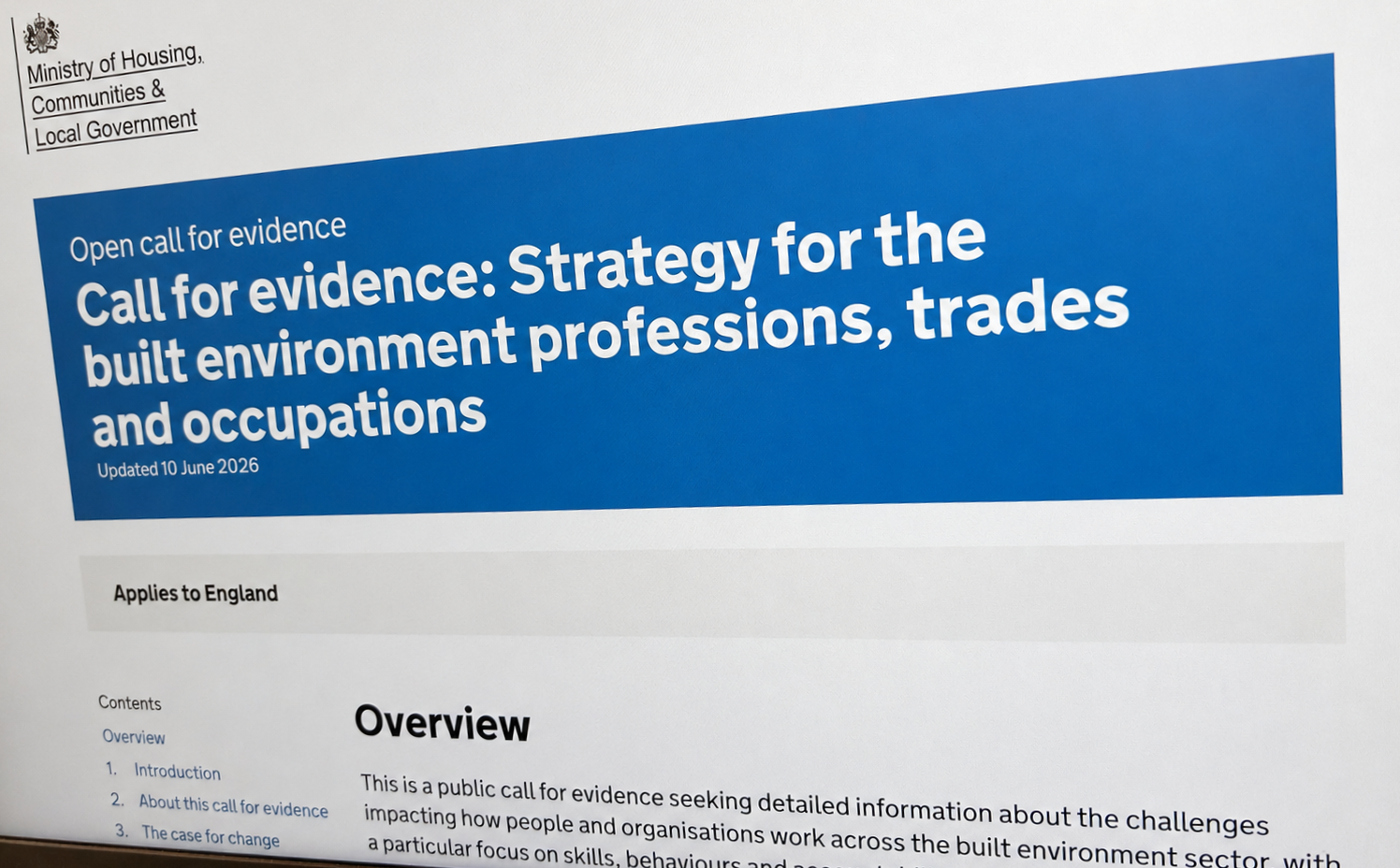
The proposed built environment professions strategy could influence future expectations around competence, accountability and working practices across England’s construction sector. The Ministry of Housing, Communities and Local Government has opened a public call for evidence that will help inform a new long-term strategy for built environment professions, trades and occupations in England. The call for evidence opened on 20 May 2026 and was updated on 10 June, it will close at 11:59 pm on 12 August 2026 and is planned to be published in spring 2027.
The strategy will consider how people and organisations work across the full building lifecycle. Therefore, it could affect clients, developers, landlords, designers, contractors and consultants. New rules have not been proposed at this stage, however, the call for evidence shows which areas are being examined. These include competence, culture, accountability, procurement and client capability. It also considers how early project decisions affect safety, quality and long-term performance. This reflects the importance of resolving risks before projects reach construction, as discussed in our article on why planning approval alone is not enough.
What is the proposed built environment professions strategy?
The proposed built environment professions strategy will provide a long-term plan for improving how people and organisations work across the sector. It will cover built environment professionals, trades and occupations. It will also examine the organisations and systems that shape their work. MHCLG wants detailed evidence about the challenges facing the sector, in particular, it is focusing on skills, behaviours and accountability. The call for evidence has been divided into five stages of the building lifecycle:
- Pre-design,
- Design and specification,
- Construction,
- Occupation and maintenance,
- Cross-cutting issues, themes and challenges.
The government is seeking views from a wide range of people and organisations, including professionals, trades, clients, manufacturers and education providers. Professional bodies, regulators, insurers, lawyers, funders and consumer organisations can also respond. This broad approach matters because no single profession controls building quality; many decisions shape the final result. For example, client briefs, procurement routes and design coordination can all affect project outcomes. Product choices, site practice and maintenance arrangements also play an important role.
Why the built environment professions strategy matters to clients
The call for evidence focuses on the systems that shape professional behaviour. For example, it asks how people demonstrate their knowledge and competence, and looks at how culture and commercial pressures affect decisions. In addition, the government wants to understand how teams allocate responsibility across different project stages. This matters to any organisation that commissions, designs, delivers or manages buildings. The government appears to be looking beyond technical qualifications alone, examining the wider conditions that support good practice instead.
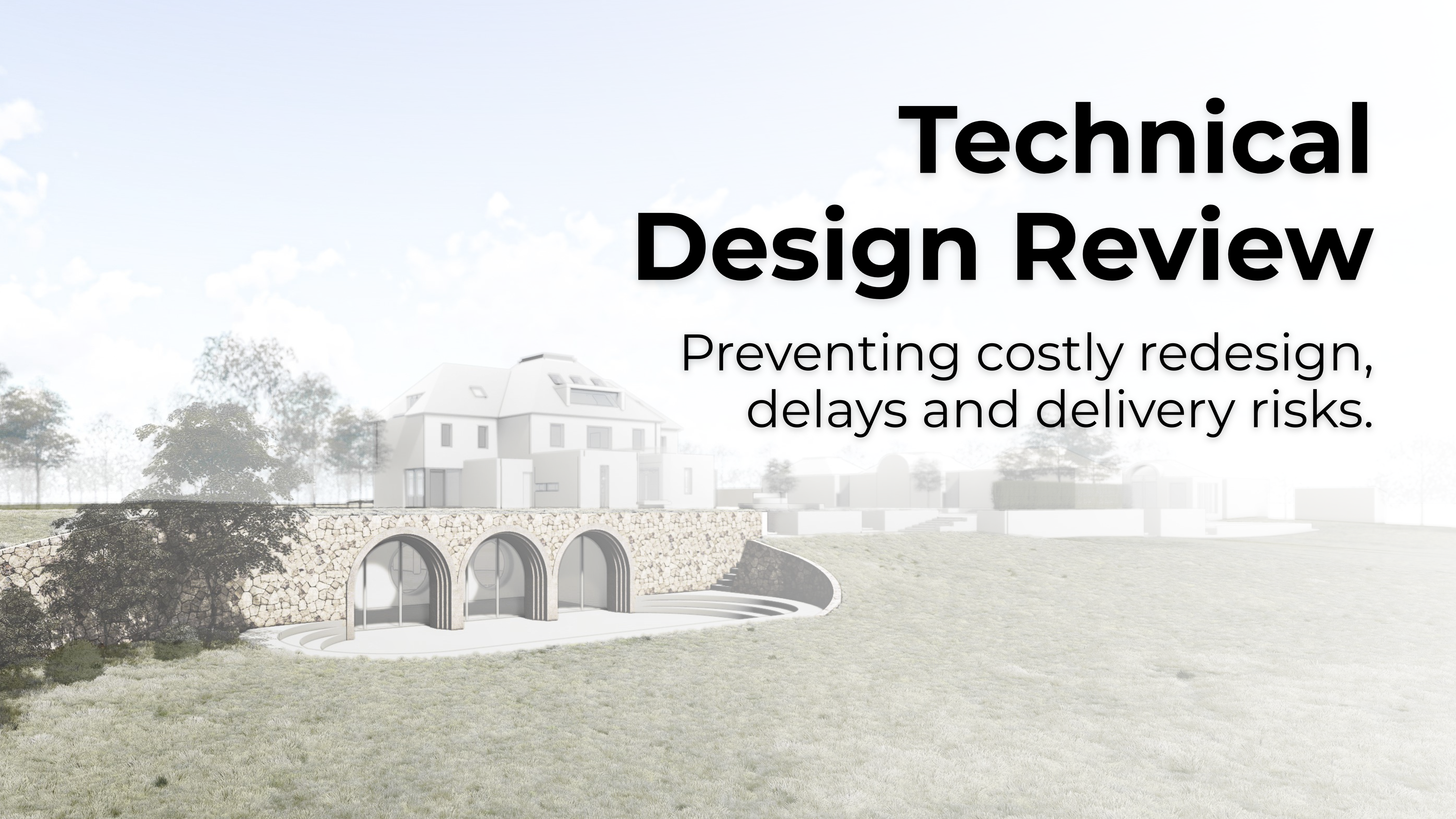
For clients, the strategy could raise expectations around briefing, procurement and risk allocation, and place greater emphasis on the ability to question professional advice. Early technical input can help clients identify these issues before they lead to redesign or delay. Our technical design review service explains how coordinated reviews can reduce delivery risks.
Competence and accountability in the built environment
For design and construction teams, the call for evidence reinforces several existing priorities. Teams may need to provide clearer evidence of competence, define responsibilities more carefully and coordinate decisions more effectively. Furthermore, project records may become increasingly important. Good records help explain who made a decision, why they made it and what information supported it. This is especially relevant where several consultants, specialists and contractors contribute to the same element of work. The future strategy will also connect with wider government reform. The detailed call for evidence document refers to changes including the proposed single construction regulator, building regulation reform and construction product regulation.
A chance to influence the 2027 built environment professions strategy
The call for evidence allows industry organisations to influence future policy. The Construction Leadership Council has also published information about the government exercise, explaining that submissions will inform the new strategy and cover every stage of the building lifecycle. Meanwhile, CIBSE has encouraged built environment professionals to contribute evidence and industry experience. Its consultation notice also confirms that the final strategy is planned for spring 2027. Therefore, the exercise is not only for regulators or trade bodies, project clients, consultants and delivery organisations can also respond and provide examples of where the current system works well. Equally, they can identify areas that create avoidable risk. Useful examples could include:
- Unclear client duties,
- Gaps in specialist design coordination,
- Procurement pressures that reduce quality,
- Difficulties proving competence across supply chains,
- Problems managing building information after completion.
Specific evidence will usually be more useful than broad criticism. It can show how a problem affects real projects and where reform could make the greatest difference.
What happens next?
The call for evidence closes on 12 August 2026, then responses will be reviewed and used to develop the strategy which is expected in spring 2027. Until then, the call for evidence does not change any legal or professional duties, it does, however, give a strong indication of where future policy may focus. Competence, accountability and culture are becoming part of a more structured government discussion.
As a result, built environment organisations should review how they demonstrate competence and allocate responsibility. They should also consider whether their early project decisions support safe, sustainable and high-performing buildings.