14 Sep 2026
National Buildings Database strengthens UK retrofit planning
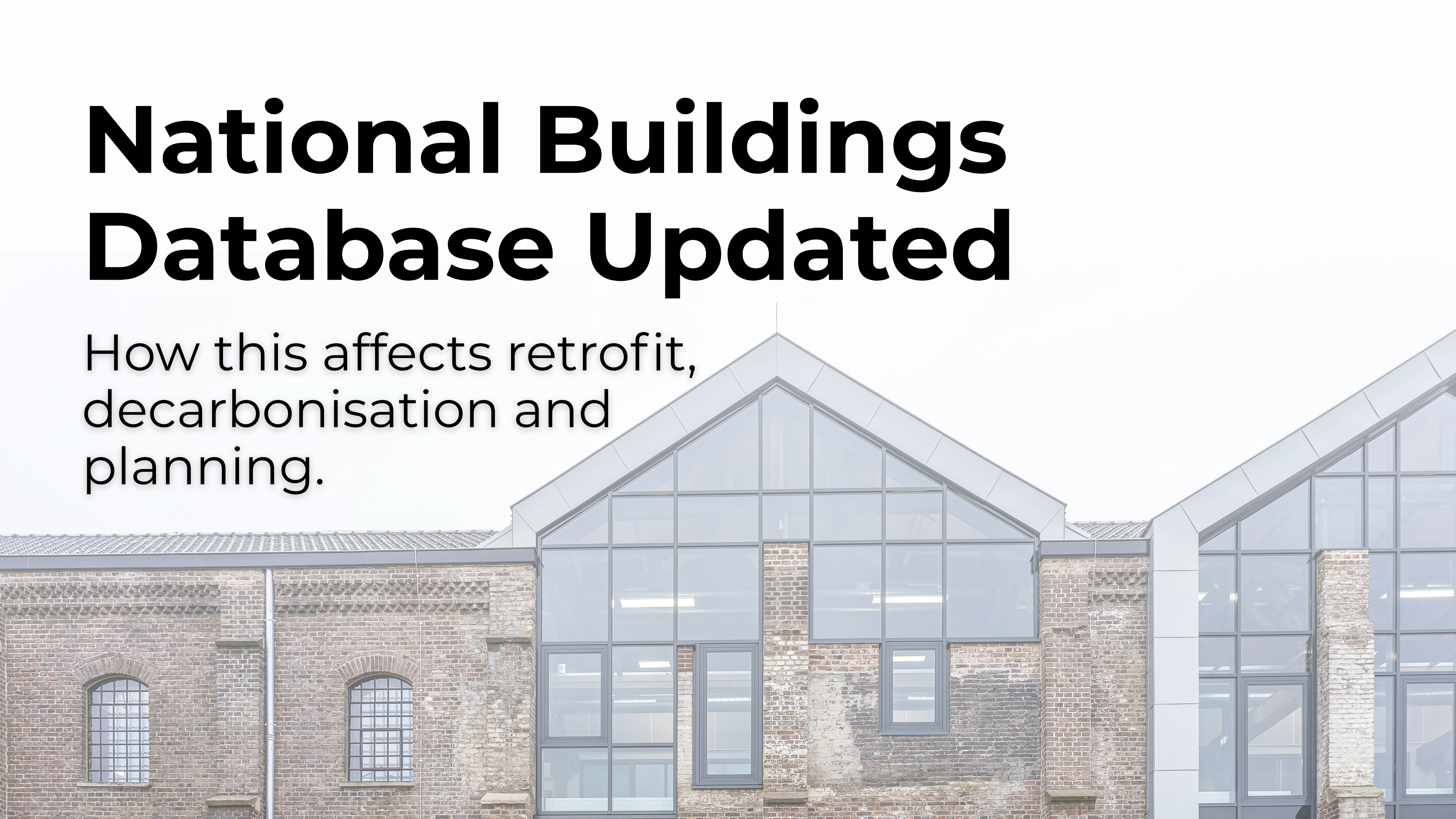
Built environment teams have gained access to more information about Great Britain’s building stock, following the latest update to the Department for Energy Security and Net Zero’s National Buildings Database.
Updated on 6 August 2026, the release now links to an open synthetic dataset representing approximately 2.2 million non domestic premises. It could support more informed retrofit strategies, local energy planning and early investment decisions, although its modelled records are not a substitute for building surveys or asset specific data.
What has been published?
The National Buildings Database brings together information on building construction, geometry, energy use and other characteristics. The underlying database provides a one to one representation of buildings across England, Scotland and Wales.
According to UCL, whose Energy Institute developed the database for government, it covers approximately 30 million homes and 2.2 million non domestic premises. The project combines sources including Ordnance Survey mapping, Valuation Office Agency records, Energy Performance Certificates, Display Energy Certificates and linked gas and electricity meter data. UCL describes it as the first comprehensive database of buildings across Great Britain.
DESNZ first published the phase two report and summary tables in May. Its 6 August update corrected links between the tables, restored additional data tabs and added access to the Non Domestic Building Synthetic Population. This open dataset is based on the building stock in 2023. It includes statistically generated records for around 2.2 million premises, with information covering:
- Building activity and broad geographic location
- Floor area, number of storeys and age band
- Wall and roof construction
- Main heating fuel and the presence of air conditioning
- Metered gas and electricity indicators
- Estimated energy use for heating, cooling, lighting, equipment and hot water
- Mixed use and heritage status
The full phase two report sets out the methodology and available variables in detail.
Why the dataset matters
Reliable evidence about the non domestic stock has historically been fragmented. Offices, schools, shops, warehouses, hospitals and industrial buildings vary considerably in their form, occupation and energy demands, making broad assumptions particularly risky.
The new dataset should allow local authorities, estate owners and consultants to examine these differences more systematically. Potential uses include comparing energy intensity between activity types, developing local building archetypes and identifying where particular retrofit measures or low carbon heat options may warrant further investigation.
This could improve the first stage of investment planning. Rather than applying a uniform assumption across a diverse estate, teams can test whether building age, use, heating fuel or construction type points towards different intervention pathways. The data may also help local energy planning. When combined with information about networks, land use and planned development, building stock patterns can support early assessments of heat demand, electricity requirements and the likely scale of retrofit programmes.
An important limit: not real building records
The publicly available data is synthetic. It has been generated to preserve useful statistical patterns while preventing the identification of individual premises or sensitive energy information. Each record represents a plausible building rather than a particular address. The underlying source data remains within government.
The UK Data Service record explains that the synthetic population is designed for analysis by geography and building activity. Where an area and activity combination contains fewer than ten complete source records, the model uses a broader grouping. Combinations that remain too small are excluded to protect confidentiality.
The dataset can support strategic analysis, benchmarking and policy development, but it should not be used as evidence of the condition, performance or energy consumption of a specific asset. It does not replace measured consumption data, an EPC, a condition survey or a detailed energy audit.
Practical points for decision makers
Use it to prioritise investigation, not approve capital expenditure. The dataset can help identify promising building groups or locations, but project budgets should still be based on verified asset information.
Combine national and local evidence. Local authorities and portfolio managers can add their own property records, meter data and condition information to test whether national patterns hold true for their buildings.
Record the data vintage. The synthetic population represents the 2023 stock. Changes in occupation, energy prices, building systems and completed retrofit work should be considered when using it for current forecasts.
Be clear about uncertainty. Business cases and planning studies should distinguish between modelled evidence, measured performance and design assumptions.
Use the corrected release. Teams already working with the May tables should download the updated files, as DESNZ says the August republication corrected table links and restored information that had previously been omitted.
A better starting point for retrofit strategy
The National Buildings Database does not remove the need to understand individual buildings. Its value lies where public bodies, designers and asset owners need to decide where detailed work should begin.
Used with suitable caution, it offers a more coherent basis for comparing building types, testing decarbonisation strategies and directing limited survey and investment resources. For a sector facing large retrofit demands and incomplete asset information, that is a meaningful improvement in the evidence available for early decisions.