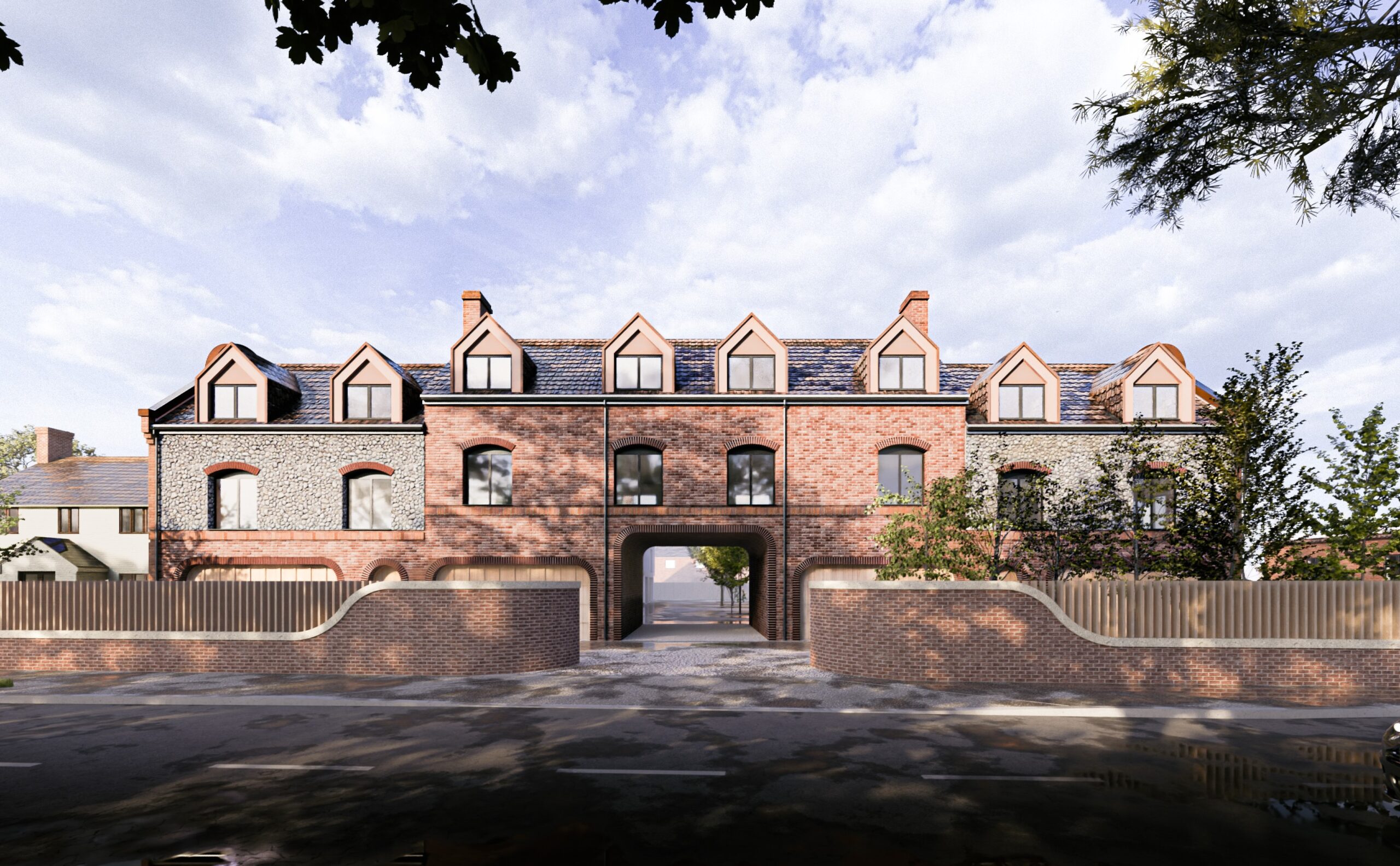
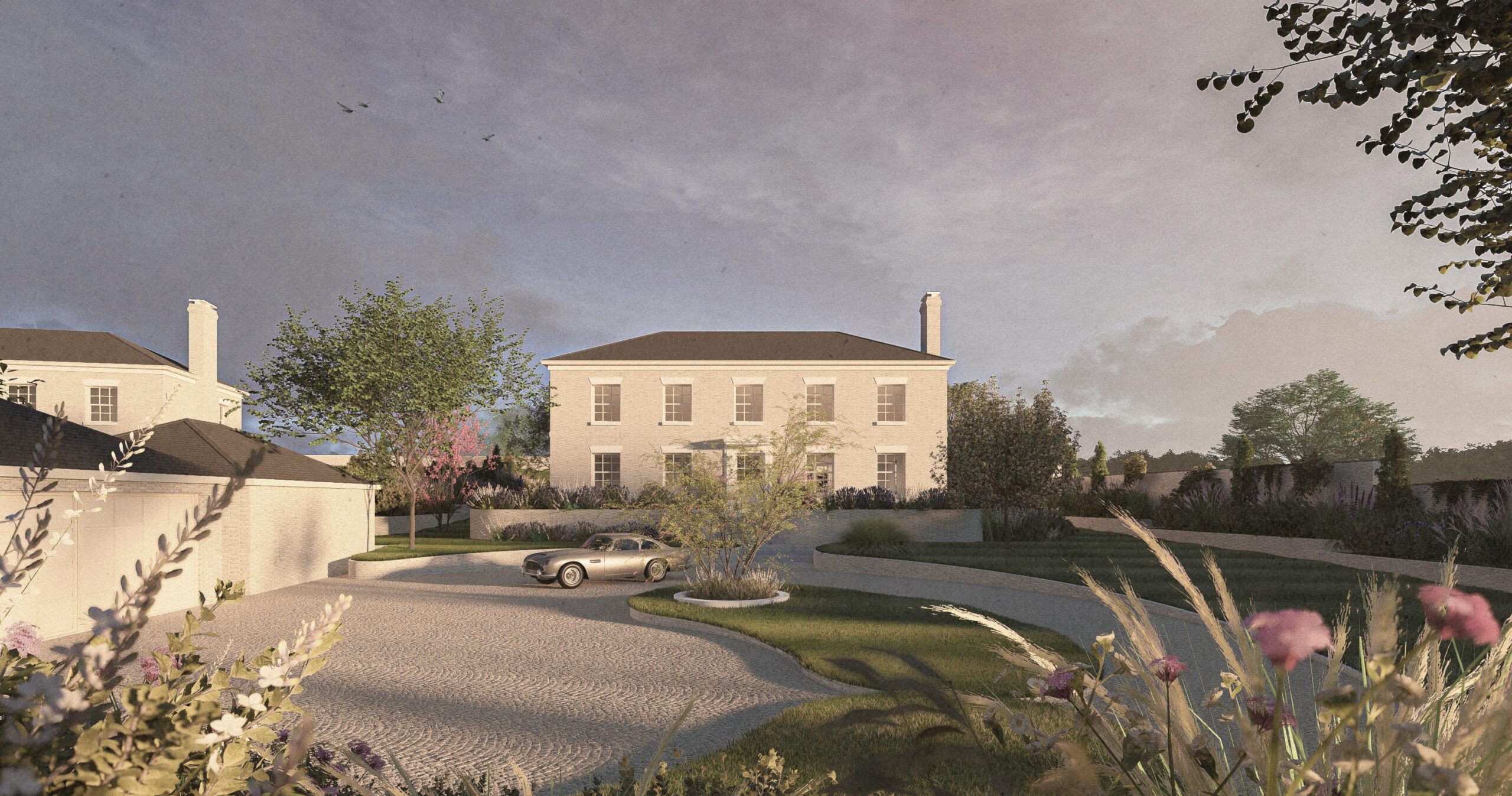
CCA1433 / Georgian Farmhouse Style Dwellings, Suffolk

Mixed-Use Scheme / Norwich
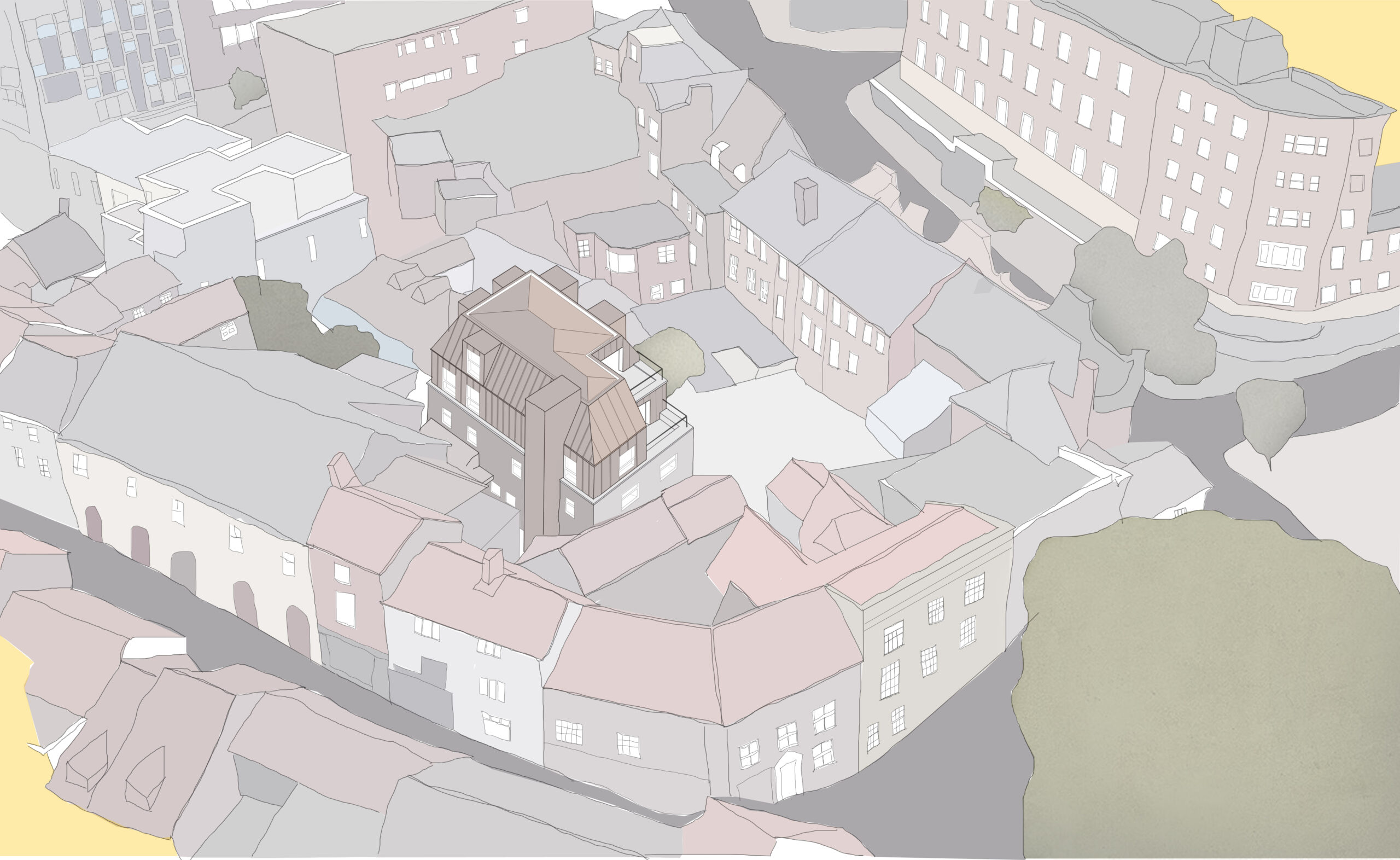
Cannon Clarke Group were appointed to develop a mixed-use scheme on Timber Hill, a prominent street in the centre of Norwich.
Following initial pre-application advice, the project was conceived as a sensitive and contemporary conversion of a former music venue.
The scheme reconfigures the existing building to provide a commercial unit at the ground floor with three high-quality residential units above. This will be delivered through a carefully considered upward extension.
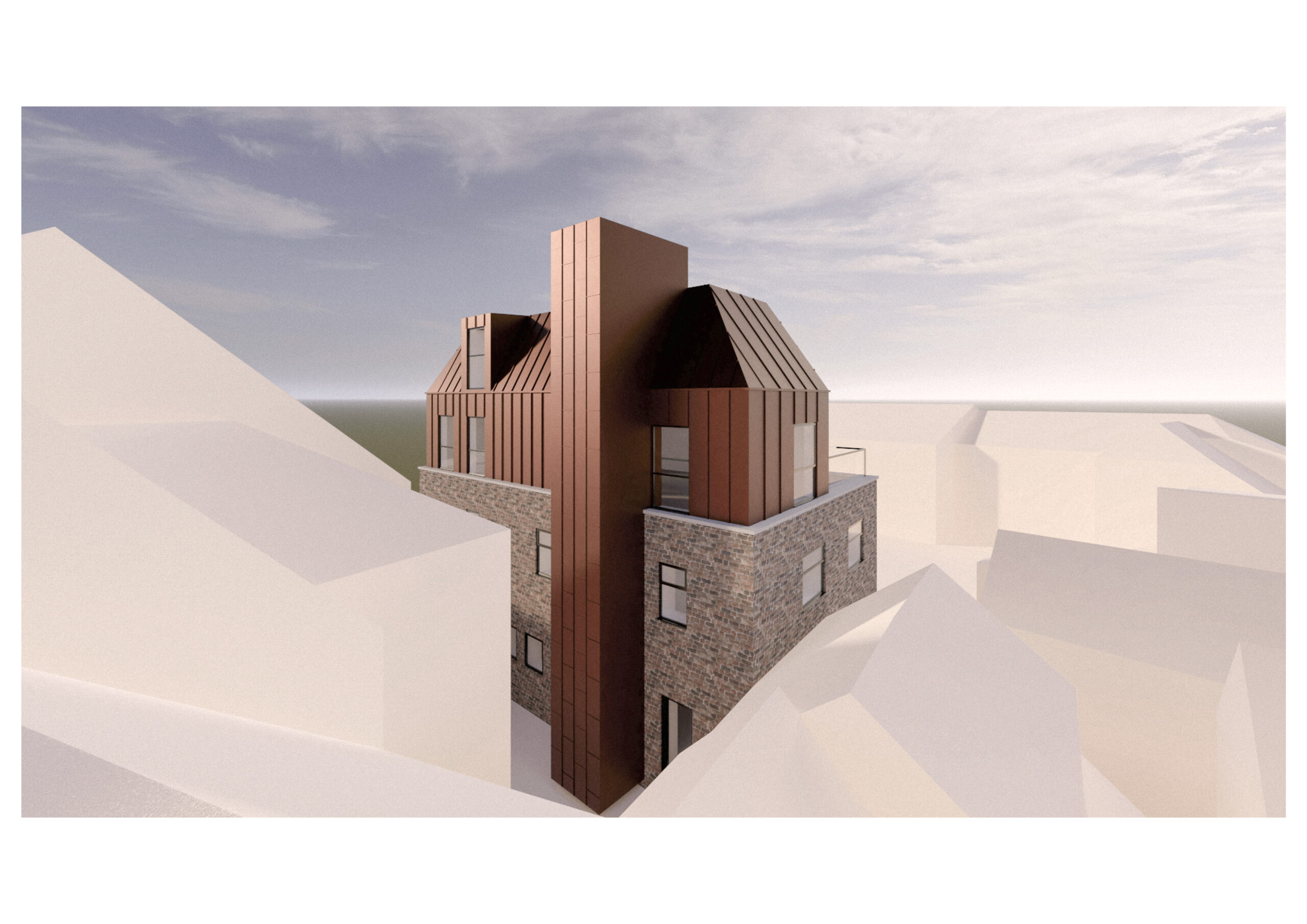
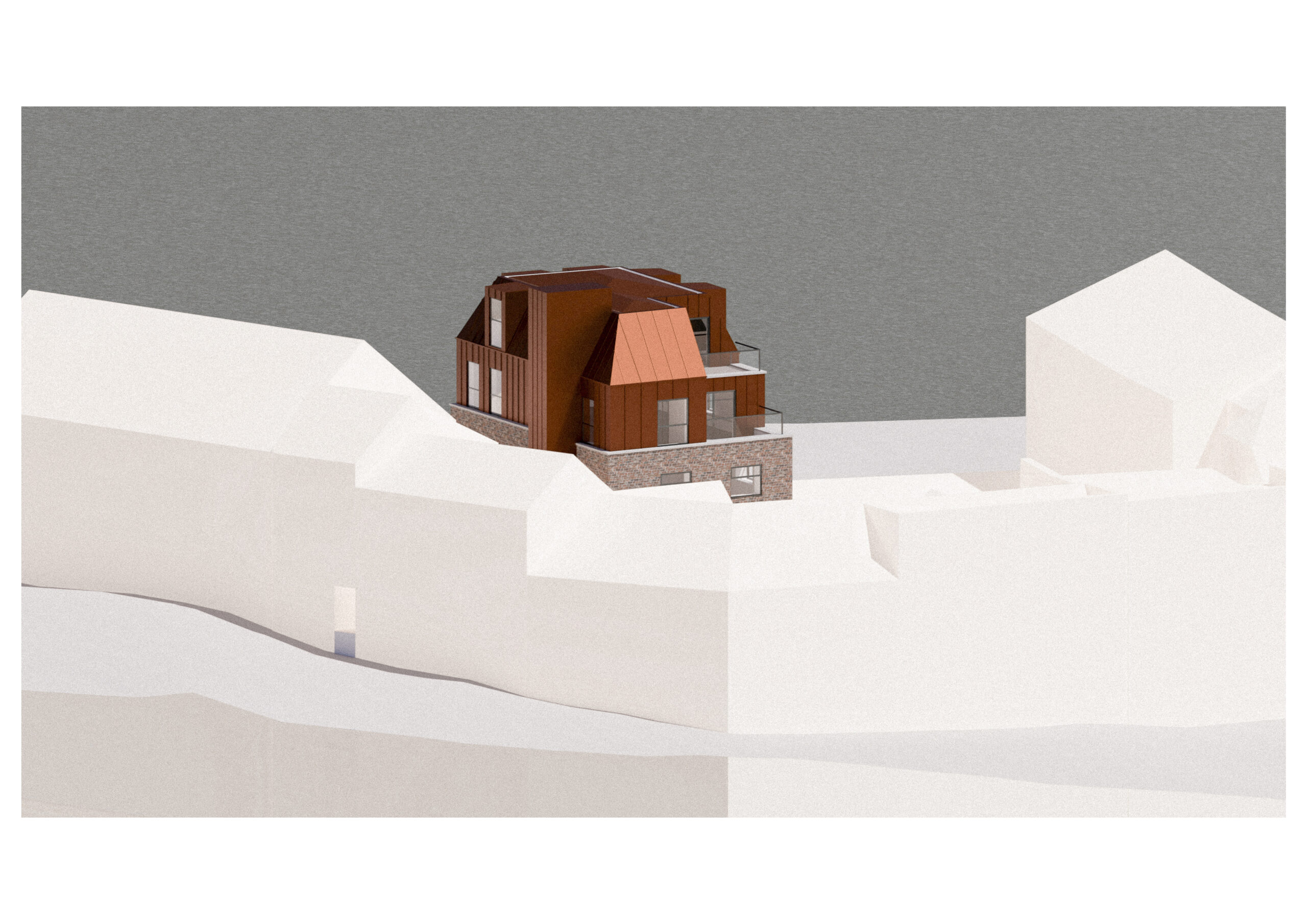
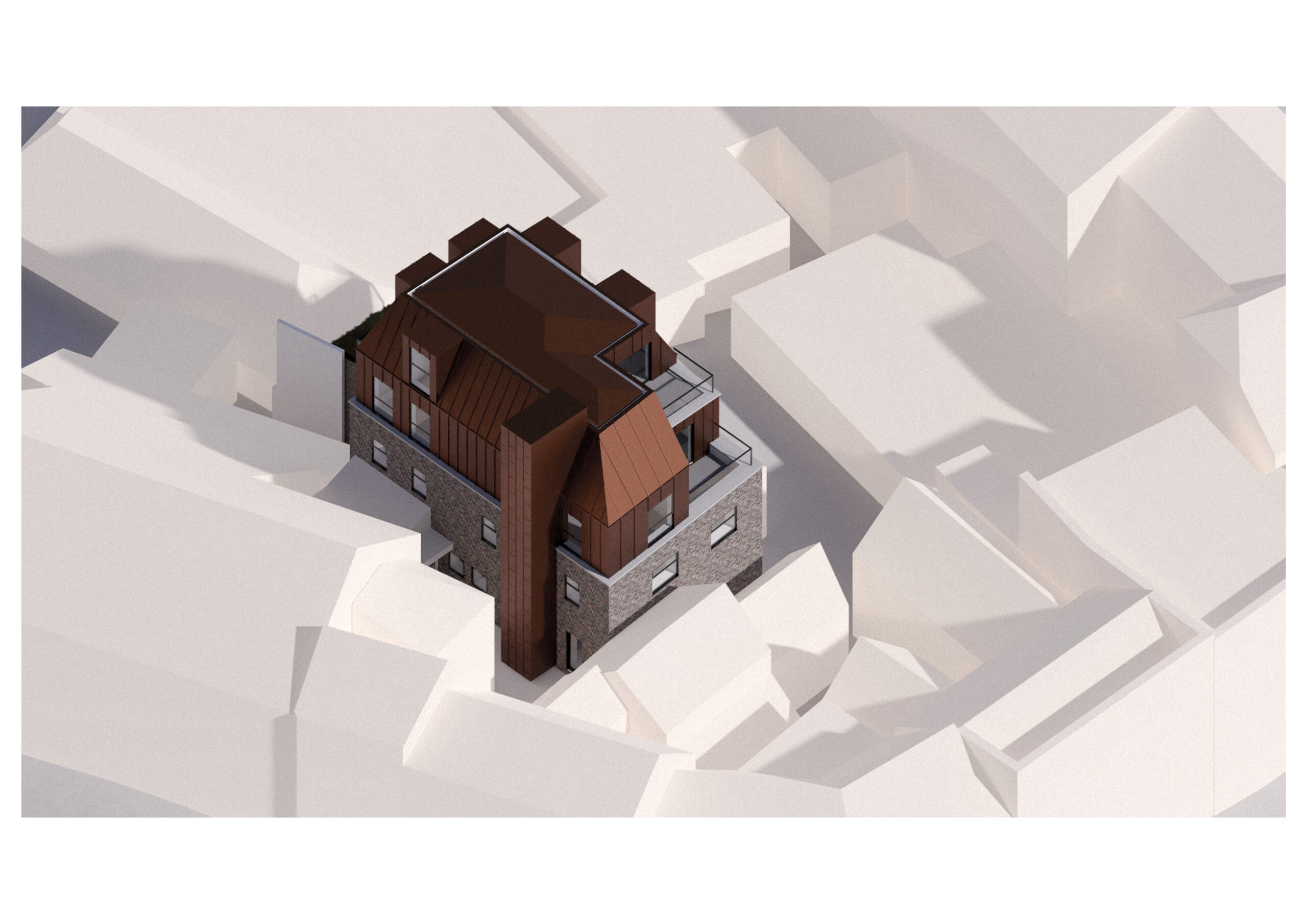
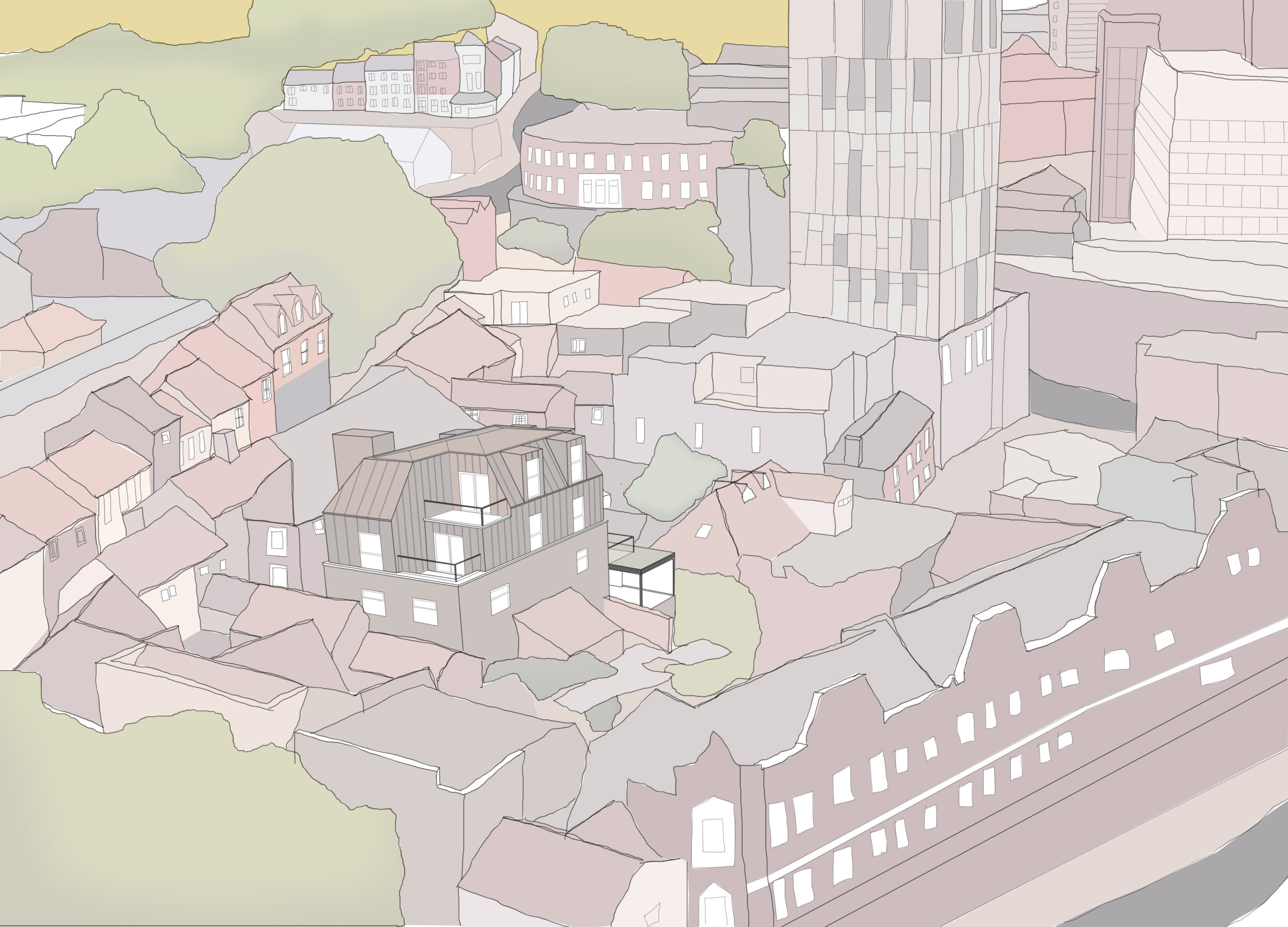
The design responds to both the historic context and the practical constraints of the site. Norwich’s architectural character is defined by a rich blend of medieval, Georgian, and Victorian influences, with traditional materials such as flint, red brick, and timber framing used extensively across the city. Our approach pays close attention to this heritage, proposing a restrained material palette and massing strategy that sits comfortably within its surroundings.
A mansard roof form has been chosen for the upper floors to reduce visual impact and maximise useable space, in preference to a flat roof solution. The development maintains the building’s existing entrance point from Timber Hill. The building’s accessibility will be improved by integrating an internal lift, discreetly housed within the mansard roof form, providing access to all residential floors above the ground-level commercial unit.
Internally, the existing first floor will be removed and reinstated at a lower level to allow a consistent internal ceiling height of 2400mm across all floors. This adjustment improves internal proportions while allowing for enhanced acoustic separation between commercial and residential mixed uses, with a 500mm allowance for soundproofing between floors.
The proposals also seek to reinstate and, where appropriate, enlarge existing blocked-up windows, maximising natural light. The resulting accommodation will provide a mix of one- and two-bedroom apartments, contributing to much-needed city-centre housing provision while retaining a commercial frontage that supports local activity and footfall.
The project is guided by the principles of the National Planning Policy Framework (NPPF), with a clear focus on minimising ecological harm and achieving measurable biodiversity net gain. Our design team has worked closely with ecological consultants to integrate the mitigation measures and enhancements outlined in the supporting ecological report. Key features include the retention of an existing ivy-covered boundary wall, offering habitat and nesting opportunities, and the introduction of a green roof to support habitat creation and contribute to urban biodiversity. This supports the wider environmental goals around sustainable urban development.
Contact us to discuss your next project
Contact Us